Flow Connections
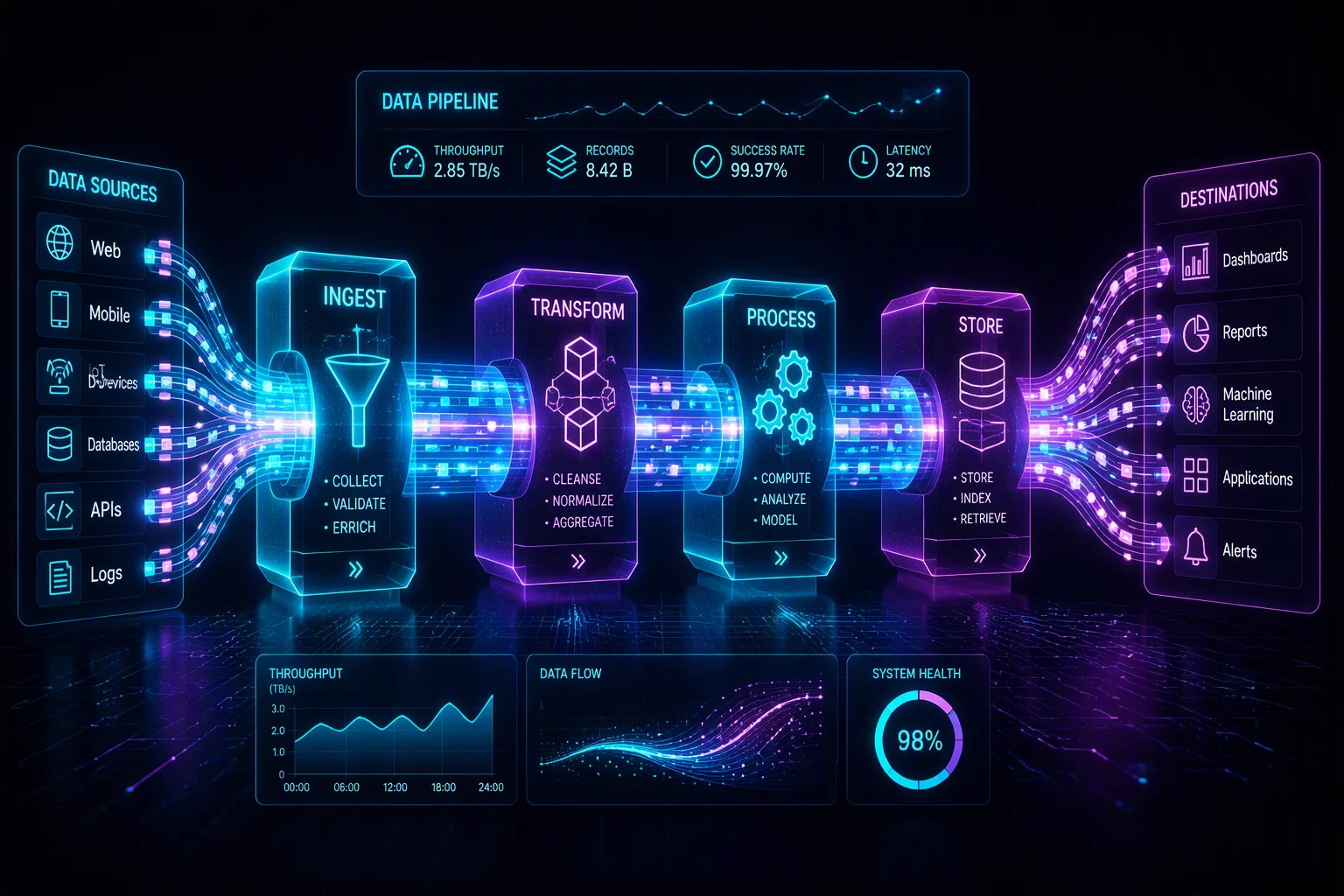
Distinguish continuous streaming and payload transfers from discrete command triggers to prevent data ambiguity.

A Line Between Two Boxes Is Not Yet an Explanation
Explore practical diagram cases about dependencies, handoffs, approvals, flows, triggers, ownership, and ambiguous connections. Demystify hidden assumptions before systems break.
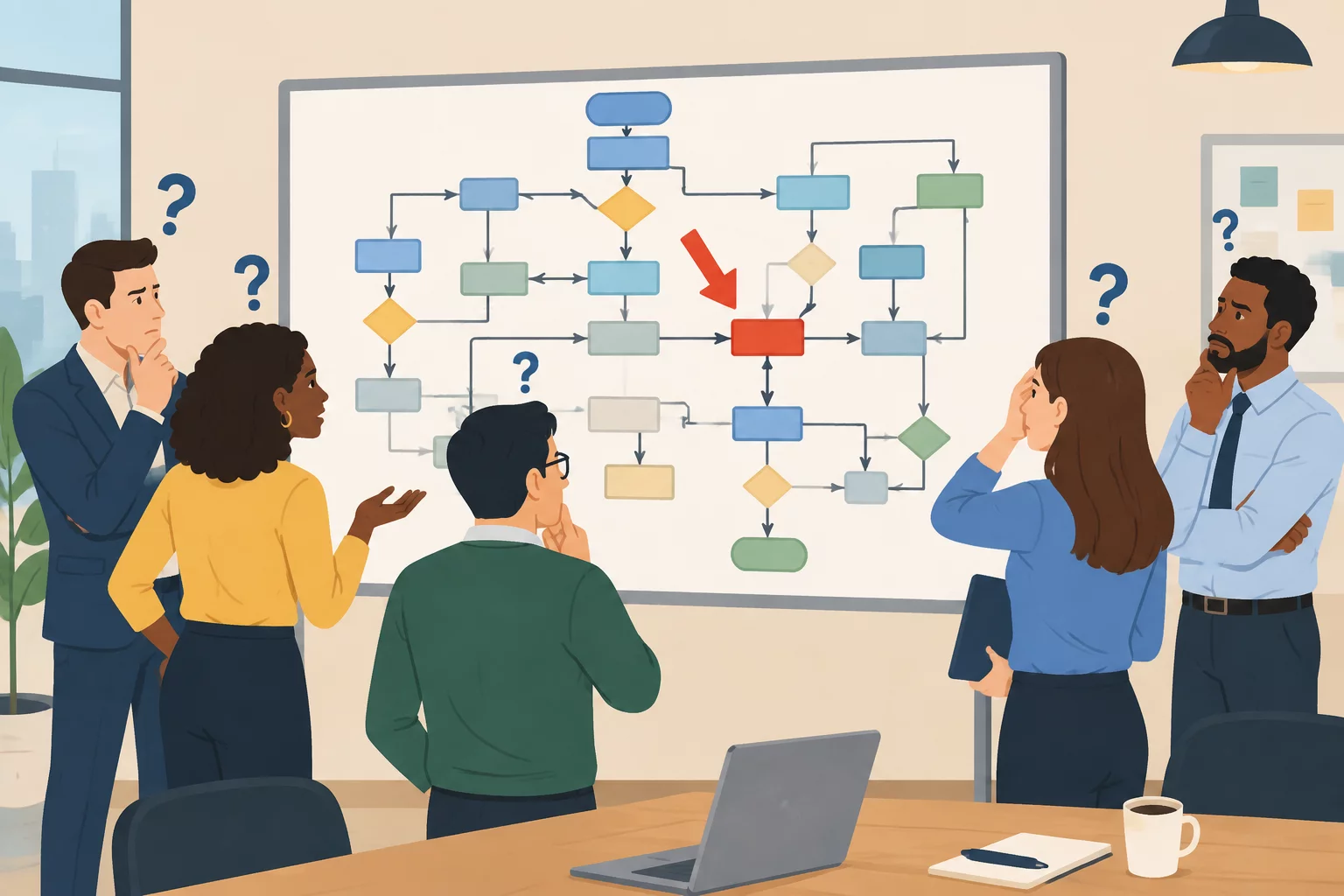
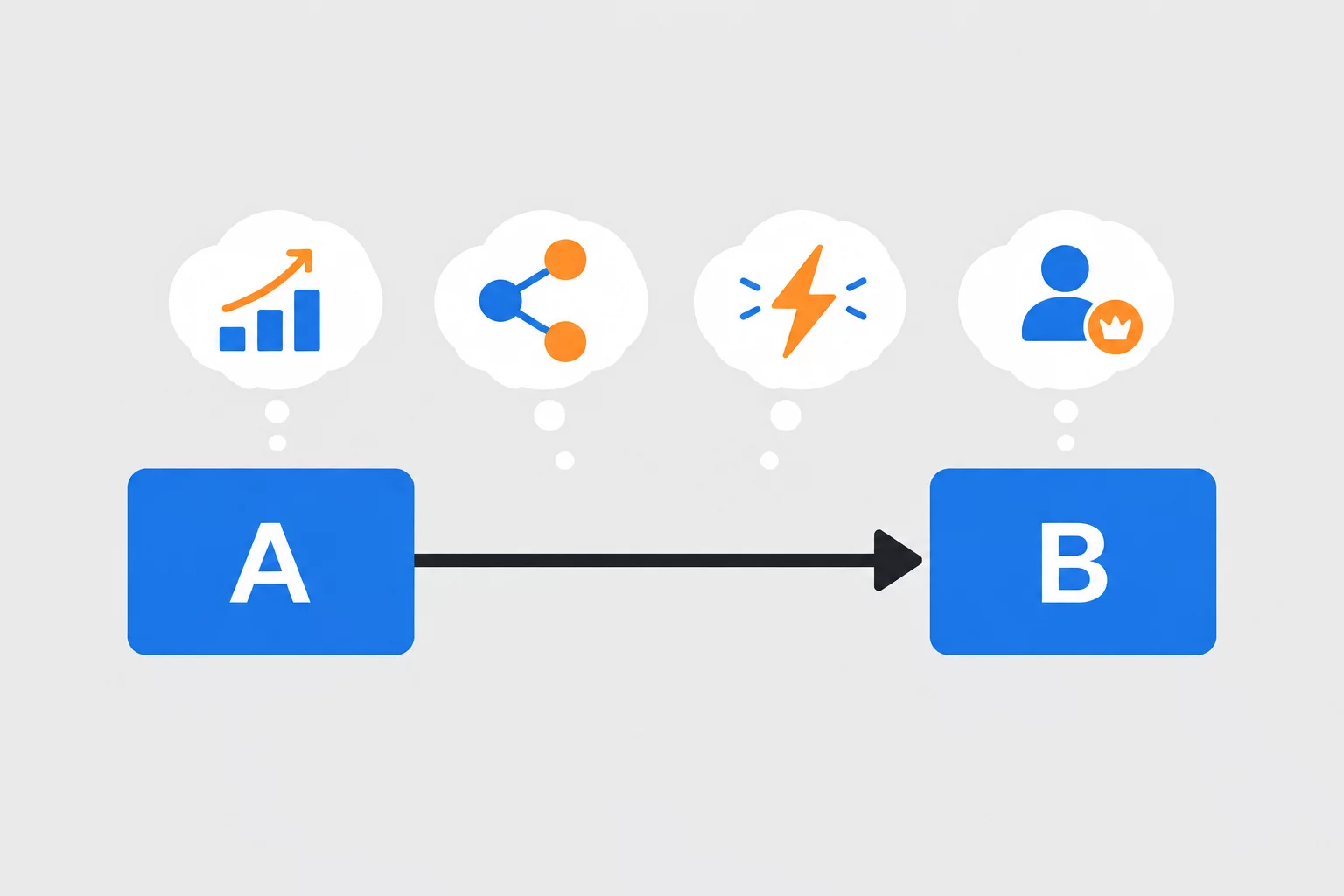
The same arrow between two boxes can mean completely different things. If these relationships are drawn identically, a diagram may look neat but remain logically ambiguous.
ConnectorIntent Atlas is not a tutorial about draw.io buttons or a library of ready-made flowchart templates — it is a site about diagram semantics.
The central unit of content here is the Connector Case: Two Nodes Possible Meanings Evidence From Context Better Label Remaining Ambiguity.
Explore how standard geometric connectors transform meaning depending on relational context, operational authority, and data dependencies.
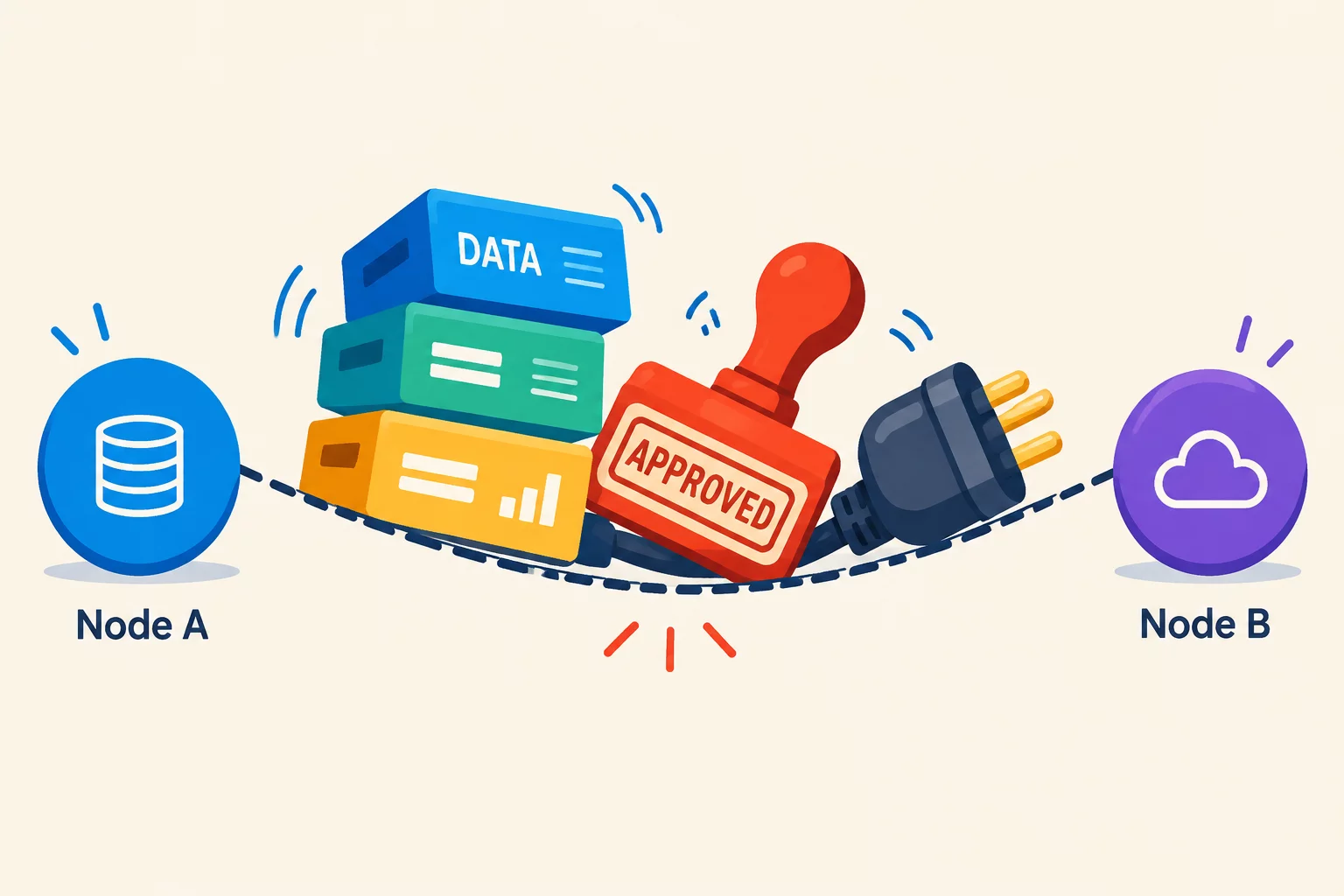
Distinguish continuous streaming and payload transfers from discrete command triggers to prevent data ambiguity.
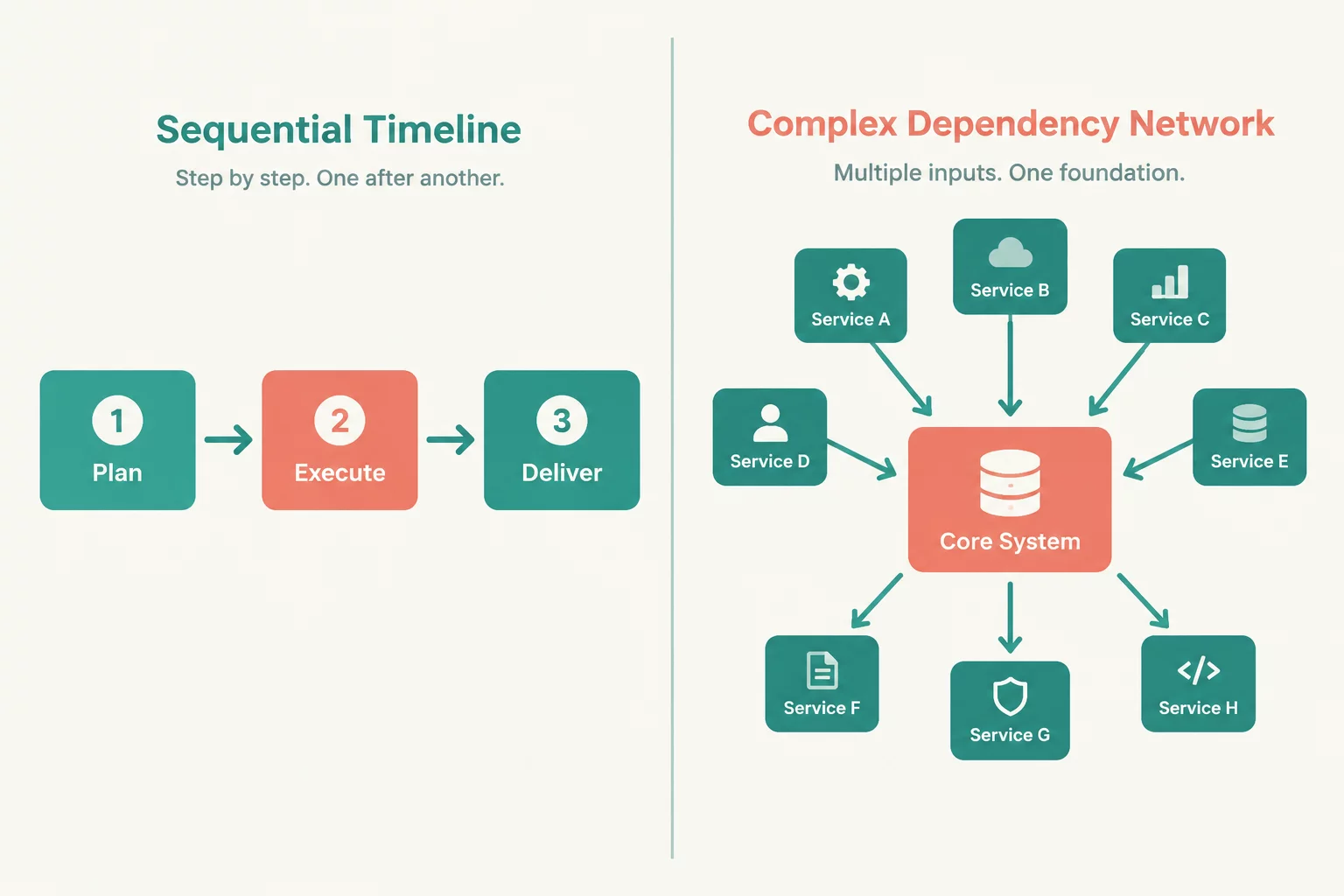
Map architectural reliance versus temporal sequence so critical foundational services are never confused with workflow steps.
Identify event-driven invocations where instantaneous signals initiate execution without transferring heavy state payloads.
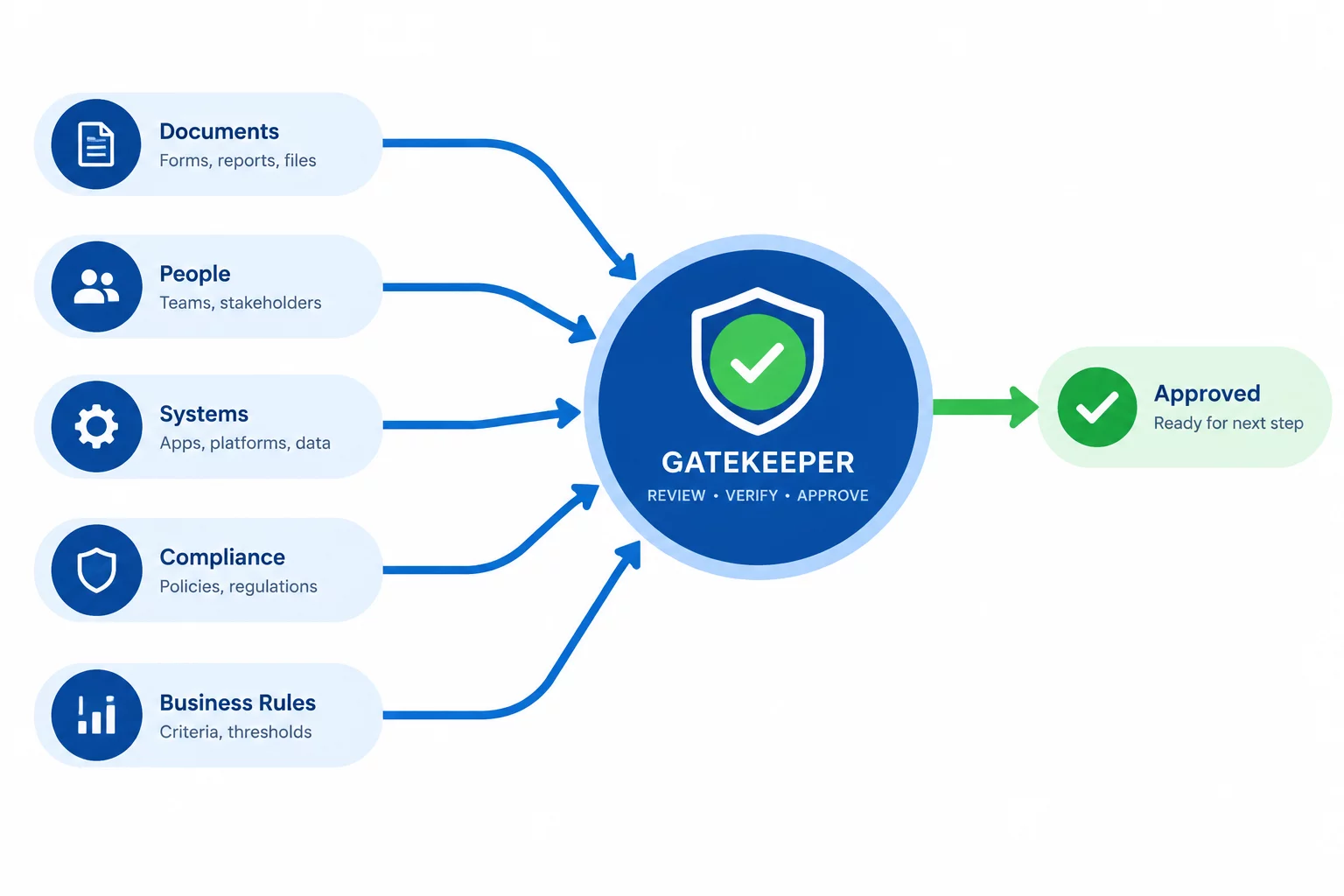
Disambiguate authorization checkpoints from simple pass-through handoffs to maintain organizational accountability.
Replace ambiguous arrows with explicit ownership labels so responsibility is never inferred from a generic connector line.
Express pure chronological ordering without implying that the earlier node causes, feeds, or authorizes the later one.
Ambiguous Arrows — cases where one connector allows multiple interpretations — resolved as Connector Cases: full analyses of real and educational diagram scenarios.
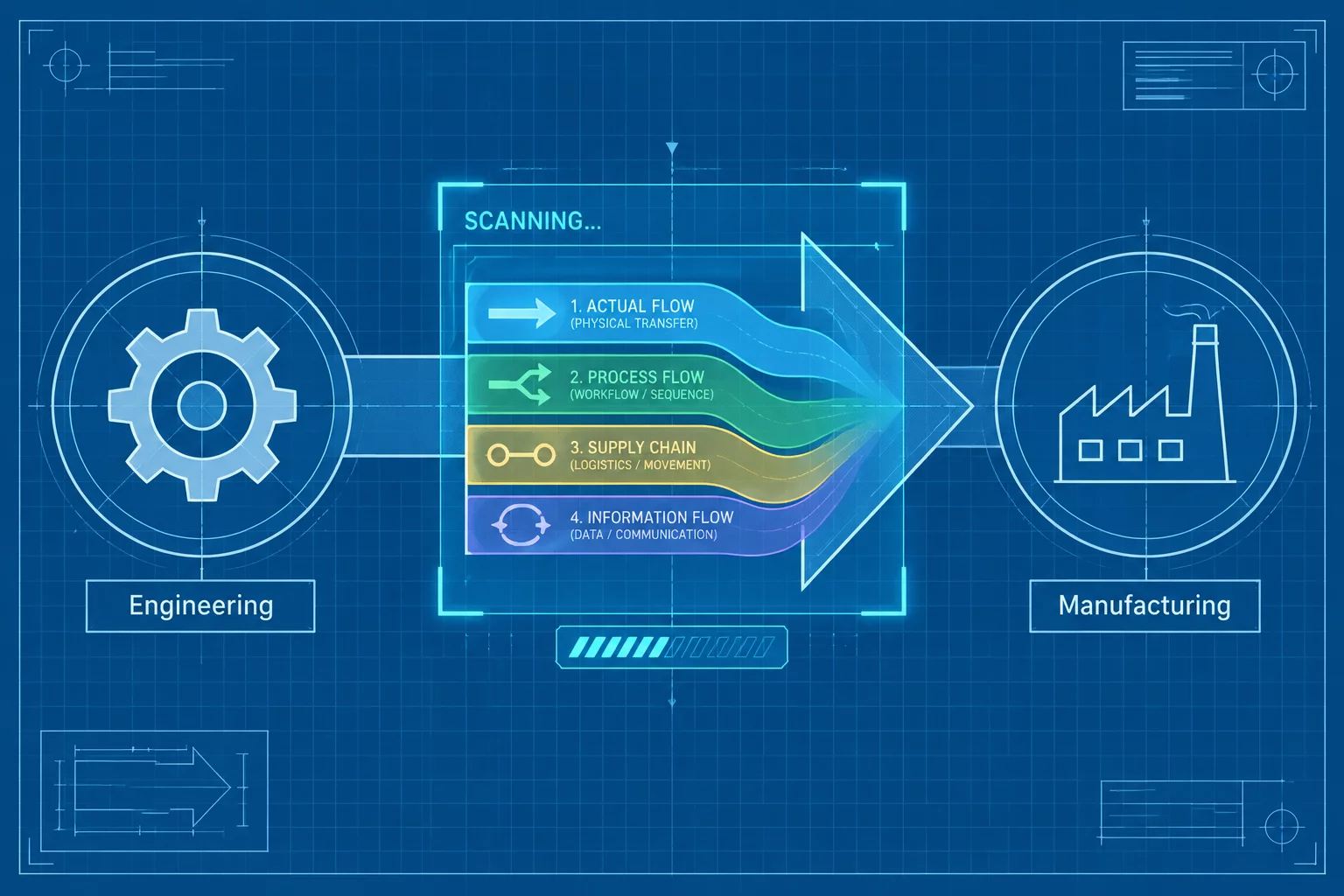
Engineering assumed the single arrow indicated a formal deliverable handoff, while Manufacturing interpreted it as ongoing structural support. Discover the 5-point semantic rubric that restored operational alignment.
When gatekeeper permissions and sequence triggers are drawn with identical solid lines, workflow execution stalls at undefined authority milestones.
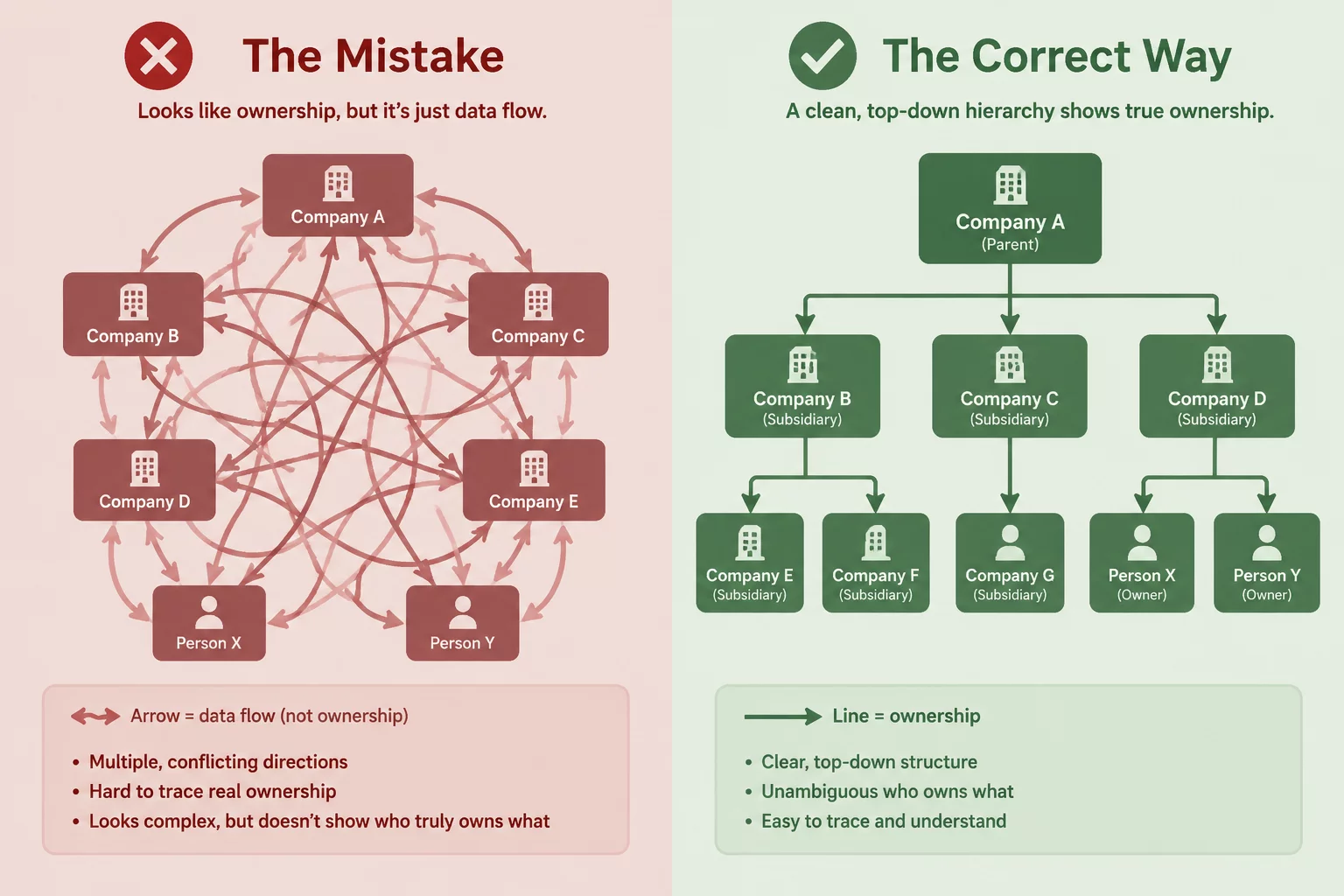
Representing parent-child system boundaries with dynamic arrow conduits creates illusory streaming pipelines where static custody belongs.
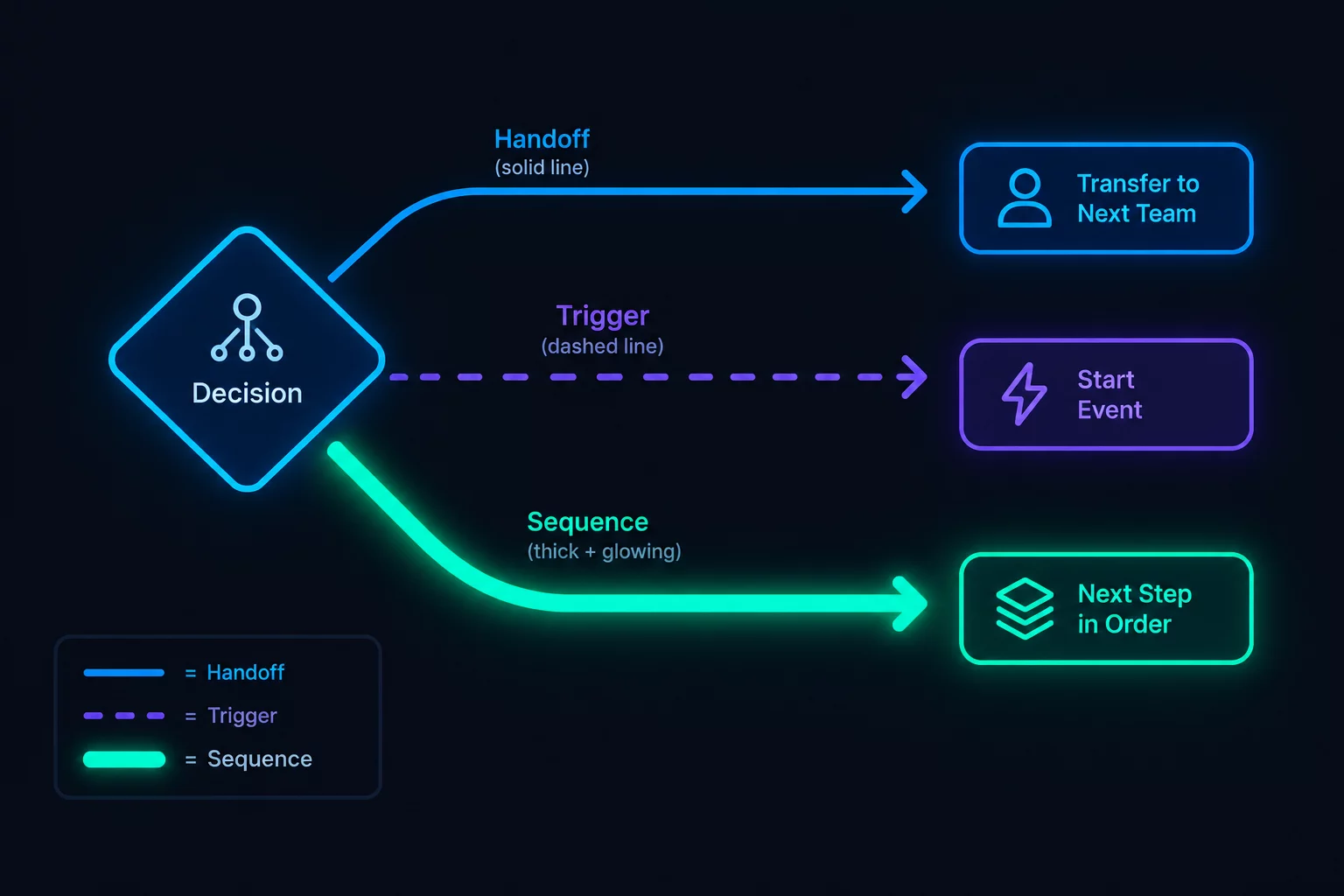
A single decision diamond routing three outgoing arrows for data transfer, asynchronous notifications, and sequential control creates critical ambiguity.
Dotted connectors are frequently abused as arbitrary catch-alls for optional steps, weak dependencies, and indirect network signals.
Most system misunderstandings stem from unclear edge relationships rather than incorrect boxes. Explore the core principles of diagram semantics using our contextual disambiguation methodology.

Why an unlabeled solid connector between system nodes creates dangerous architectural assumptions regarding data payload, execution order, and trigger ownership.

Structural reliance and chronological order are regularly conflated. Learn how to distinguish build dependencies from run-time process ordering.

The generic label 'sends to' hides critical contractual semantics: synchronous RPC, event publication, handoff of responsibility, or asynchronous queue push.

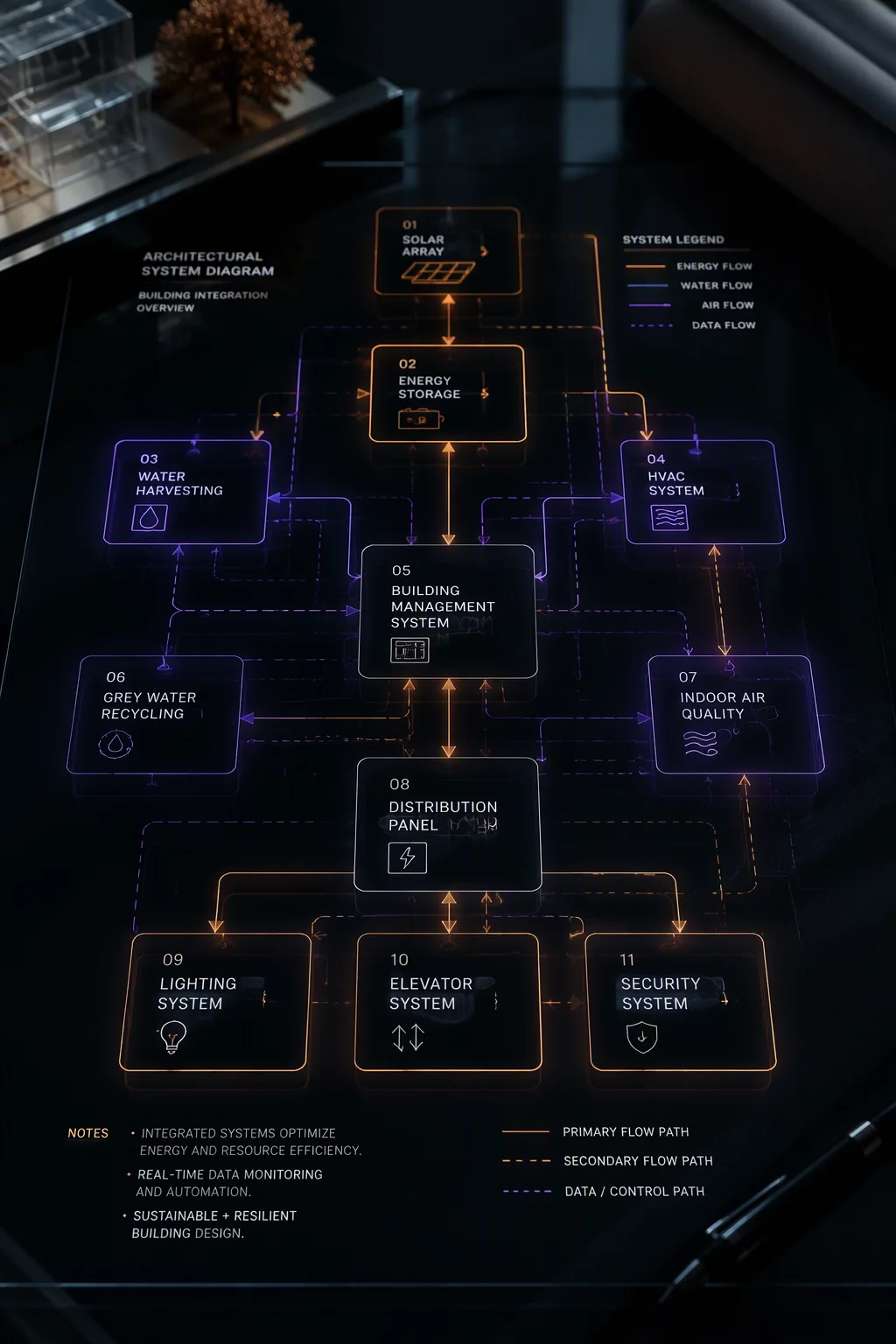
Bidirectional connectors frequently mask asymmetrical responsibilities, differing bandwidth requirements, and mismatched authorization policies between services.
When diagram nodes are meticulously detailed but connecting lines remain ambiguous, engineering and business teams make contradictory architectural assumptions. Explore the four most pervasive connector mistakes and their operational toll.
Using a single dashed line to represent asynchronous event publishing, sync API fallback, and optional approval at the same time.
Split into two dedicated edges: a solid stroke labeled publishes(InvoiceFinalizedEvent) and an explicit boundary label for ledger containment.
Drawing an arrow from Step A to Step B simply because A finishes earlier in clock time, disguising true runtime coupling.
Use separate notations: horizontal numbered sequence lanes for time progression, and open-headed dependency arrows for runtime imports.
Placing bidirectional arrowheads on a single line to say “these components talk”, masking initiator, authority, and state synchronization rules.
Ban double-headed connectors. Draw two antiparallel paths: issuesQuery(SQL) downward, and returnsRecordset(RowDTO) upward.
Routing operational governance or team sign-off arrows straight through automated execution paths without distinct authority gates.
Enclose automated nodes in clear swimlane domains; use explicit diamond gate nodes labeled authorizesRelease(PolicyKey).
Documented operational and architectural results across engineering organizations after replacing ambiguous arrows with formal connector intents. No generic reviews—only verified system metrics.
Resolved 3 critical race conditions in microservice deployment orchestrations by explicitly distinguishing build dependencies from event streams.
Eliminated cross-department release stalls by transforming ambiguous dotted paths into formal legal and compliance gateway constraints.
Prevented distributed state overwrite conflicts during network partitions by eliminating misleading bidirectional connection representations.
Engineers stopped misinterpreting module containment as data pipeline transfers, saving over 40 hours per sprint in incorrect ticket triage.
Eliminated costly manufacturing pre-production re-runs caused by vague arrow interpretations between CAD release and tooling setup.
Replaced guesswork during API versioning by defining precise payload contracts on diagram edges before technical implementation.
Explore our complete taxonomy of connection definitions and error archetypes.
Whether you are clarifying ambiguous edge dependencies after a deal, setting notation guidelines for cross-functional teams, or booking a diagram review session, our specialist team is here to assist.
Provide details about your system diagram or integration case for prompt review by our senior analysts.